

Are there any health risks associated with a dirty trash bin?
Are there any health risks associated with a dirty trash bin?
As a supplier of Trash and Recycling Bins, I've had numerous conversations with customers about the importance of proper waste management. One question that often comes up is whether there are any health risks associated with a dirty trash bin. The answer is a resounding yes. In this blog post, I'll delve into the various health hazards linked to unclean trash bins and explain why investing in high - quality trash cans can mitigate these risks.
First and foremost, a dirty trash bin can become a breeding ground for bacteria. When food waste, leftovers, and other organic matter are thrown into the bin, they start to decompose. This decomposition process creates an ideal environment for bacteria such as E. coli, Salmonella, and Listeria to thrive. These bacteria can cause a range of illnesses, from mild gastroenteritis to more severe food - borne diseases. For instance, E. coli can lead to diarrhea, abdominal cramps, and in some cases, kidney failure. Salmonella is known for causing symptoms like fever, diarrhea, and vomiting.
Moreover, dirty trash bins attract pests. Flies, cockroaches, and rodents are drawn to the smell of rotting garbage. Flies can land on the trash and then transfer bacteria to other surfaces in your home or workplace. Cockroaches are carriers of various pathogens and can trigger allergies and asthma attacks, especially in children and the elderly. Rodents, on the other hand, can spread diseases such as hantavirus, leptospirosis, and rat - bite fever. They can also cause structural damage to buildings by gnawing on wires and insulation.
Another health risk associated with dirty trash bins is the growth of mold and mildew. When the bin is constantly damp, perhaps due to wet food waste or spilled liquids, mold can start to grow. Mold spores can be inhaled, leading to respiratory problems such as coughing, wheezing, and shortness of breath. People with pre - existing respiratory conditions like asthma or chronic obstructive pulmonary disease (COPD) are particularly vulnerable to the effects of mold.
The unpleasant odor emitted by a dirty trash bin is not just a nuisance; it can also have health implications. The smell can cause headaches, nausea, and irritation of the eyes, nose, and throat. Prolonged exposure to strong odors can also affect a person's mental well - being, leading to stress and reduced productivity.

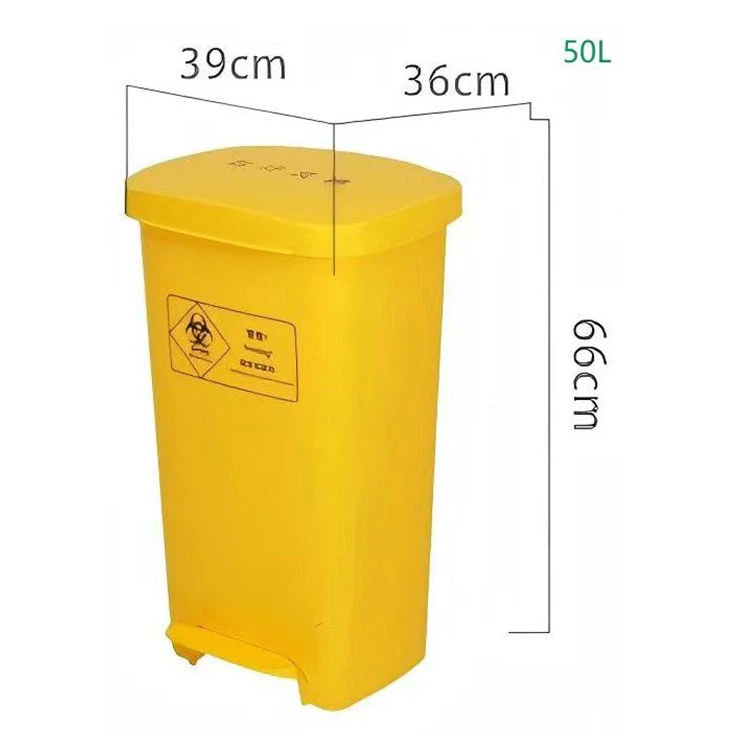
So, what can you do to minimize these health risks? One of the most effective solutions is to invest in high - quality trash cans. At our company, we offer a wide range of trash cans designed to meet different needs. For example, our 80K Type Large Trash Can is perfect for commercial settings or large households. It has a large capacity, which means you don't have to empty it as frequently, reducing the chances of spills and mess.
Our HDPE 13 Gallon Trash Can is made from high - density polyethylene (HDPE), a durable and hygienic material. HDPE is resistant to scratches and stains, making it easy to clean. It also has a tight - fitting lid that helps to contain odors and prevent pests from getting in.
If you're on a budget, our Cheap Trash Cans are a great option. Despite their affordable price, they are still made to high standards and offer good functionality. They come in various sizes and styles, so you can find one that suits your specific requirements.
In addition to using high - quality trash cans, it's important to maintain them properly. Empty the trash regularly, at least once or twice a week, depending on the amount of waste generated. Wash the bin with hot, soapy water every few weeks to remove any dirt, grime, and bacteria. You can also use a disinfectant to kill any remaining germs.
Using trash bags is another good practice. Trash bags act as a barrier between the garbage and the bin, making it easier to clean and reducing the risk of spills. Make sure to tie the bags tightly before disposing of them to prevent leaks.
In conclusion, a dirty trash bin poses significant health risks, including the spread of bacteria, attraction of pests, growth of mold, and unpleasant odors. By investing in high - quality trash cans from our company and following proper maintenance practices, you can protect your health and the health of those around you.
If you're interested in learning more about our Trash and Recycling Bins or would like to discuss a potential purchase, please feel free to reach out to us. We're here to help you find the best solutions for your waste management needs.
References
- Centers for Disease Control and Prevention (CDC). (2023). Foodborne Germs and Illnesses.
- World Health Organization (WHO). (2023). Indoor Air Quality and Health.
- Environmental Protection Agency (EPA). (2023). Rodent - Borne Diseases.