

Can I use a clinical waste bin for dialysis waste?
When it comes to healthcare waste management, especially for dialysis waste, the question of whether a clinical waste bin can be used is both crucial and complex. As a supplier of Clinical Waste Bins, I've encountered this query numerous times from healthcare facilities, dialysis centers, and even individual patients. In this blog, I'll delve into the intricacies of this topic, exploring the nature of dialysis waste, the regulations surrounding its disposal, and the suitability of clinical waste bins for this purpose.
Understanding Dialysis Waste
Dialysis is a life - saving treatment for patients with kidney failure. It involves the removal of waste products and excess fluids from the blood when the kidneys can no longer perform this function effectively. Dialysis waste can include a variety of items, such as used dialysis equipment (e.g., bloodlines, dialyzers), disposable gloves, gowns, syringes, and any materials contaminated with blood or bodily fluids.
The nature of dialysis waste makes it potentially hazardous. Blood and other bodily fluids can carry infectious agents such as hepatitis B and C viruses, human immunodeficiency virus (HIV), and other pathogens. Therefore, proper handling and disposal of dialysis waste are essential to prevent the spread of diseases and protect the health of healthcare workers, patients, and the general public.
Regulations Governing Dialysis Waste Disposal
In most countries, there are strict regulations in place to govern the disposal of healthcare waste, including dialysis waste. These regulations are designed to ensure that waste is managed in a safe and environmentally friendly manner.
For example, in the United States, the Occupational Safety and Health Administration (OSHA) has established the Bloodborne Pathogens Standard, which requires employers to implement measures to protect workers from exposure to blood and other potentially infectious materials. The Environmental Protection Agency (EPA) also has regulations regarding the disposal of medical waste to prevent environmental contamination.
In the European Union, the Waste Framework Directive sets out the general principles for waste management, and member states have their own specific regulations for healthcare waste. These regulations typically classify dialysis waste as hazardous waste and require it to be collected, transported, and disposed of in accordance with strict procedures.
Can a Clinical Waste Bin Be Used for Dialysis Waste?
The short answer is yes, in most cases, a Clinical Waste Bin can be used for dialysis waste. Clinical waste bins are specifically designed to handle hazardous and infectious waste generated in healthcare settings. They are made of durable materials that can prevent leaks and spills, and they often come with features such as tight - fitting lids and secure closures to minimize the risk of exposure to the waste.
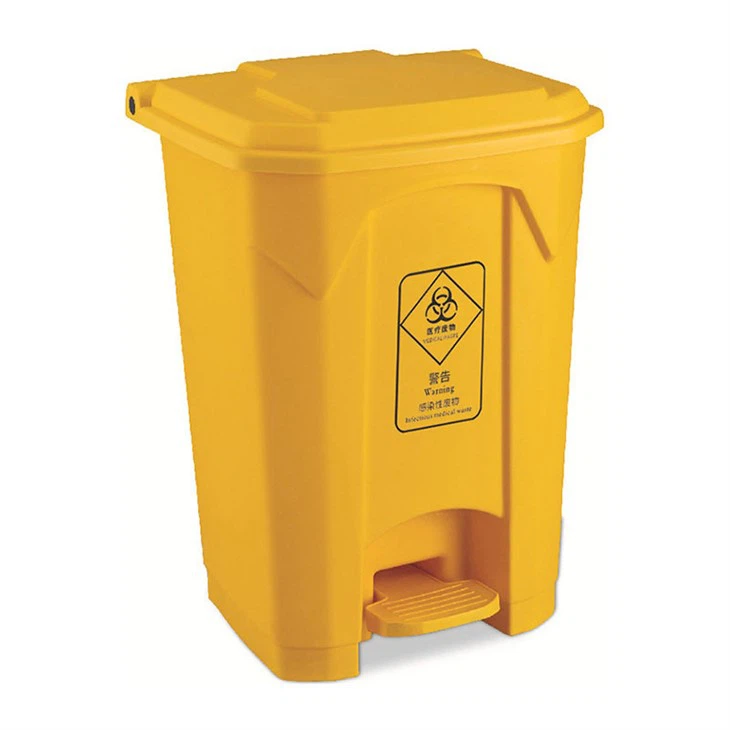

However, it's important to note that not all clinical waste bins are created equal. When choosing a clinical waste bin for dialysis waste, several factors need to be considered:
- Size and Capacity: Dialysis centers generate a significant amount of waste, so the bin should have an appropriate size and capacity to accommodate the volume of waste produced. A larger bin may be required for high - volume dialysis units, while smaller bins may be suitable for individual patient rooms or smaller clinics.
- Material and Construction: The bin should be made of a material that is resistant to punctures, tears, and chemical corrosion. It should also be easy to clean and disinfect to prevent the growth of bacteria and other pathogens.
- Compliance with Regulations: The clinical waste bin should meet all relevant regulatory requirements for the disposal of dialysis waste. This includes being labeled correctly with the appropriate hazard symbols and information about the type of waste it can hold.
- Safety Features: Look for bins with safety features such as pedal - operated lids to minimize contact with the waste, and locking mechanisms to prevent unauthorized access.
Alternatives to Clinical Waste Bins for Dialysis Waste
While clinical waste bins are a common choice for dialysis waste disposal, there are also alternative options available.
One alternative is the use of Black Garbage Can for non - hazardous dialysis waste. For example, some non - contaminated disposable items such as empty packaging materials can be placed in regular trash bins. However, it's important to ensure that these items are clearly separated from hazardous waste to avoid cross - contamination.
Another option is the use of Trash and Recycling Bin for recyclable dialysis waste. Some components of dialysis equipment, such as certain types of plastic and metal parts, can be recycled. Recycling not only helps to reduce the amount of waste going to landfills but also conserves natural resources.
Best Practices for Dialysis Waste Disposal
Regardless of the type of bin used, there are some best practices that should be followed for dialysis waste disposal:
- Segregation: Separate hazardous dialysis waste from non - hazardous waste at the point of generation. This helps to ensure that the waste is disposed of correctly and reduces the risk of cross - contamination.
- Labeling: Clearly label all waste containers with the appropriate hazard symbols and information about the type of waste they contain. This helps to ensure that the waste is handled and disposed of correctly by all personnel.
- Storage: Store dialysis waste in a secure area away from public access until it can be collected for disposal. The storage area should be clean, dry, and well - ventilated.
- Transportation: Use a licensed waste management company to transport dialysis waste to an approved disposal facility. The waste should be transported in a sealed and leak - proof container to prevent spills and contamination during transit.
Conclusion
In conclusion, a clinical waste bin can generally be used for dialysis waste, but it's important to choose the right bin and follow proper waste management practices. As a supplier of Clinical Waste Bins, I understand the importance of providing high - quality products that meet the specific needs of dialysis centers and other healthcare facilities.
If you're in the market for a reliable and compliant clinical waste bin for your dialysis waste management needs, I encourage you to reach out to discuss your requirements. Our team of experts can help you select the most suitable bin and provide guidance on proper waste disposal procedures.
References
- Occupational Safety and Health Administration (OSHA). Bloodborne Pathogens Standard.
- Environmental Protection Agency (EPA). Regulations on Medical Waste Disposal.
- European Union. Waste Framework Directive.