

Can I use a clinical waste bin for radioactive waste?
The question of whether a clinical waste bin can be used for radioactive waste is one that requires careful consideration and a solid understanding of the distinct characteristics and regulations surrounding each type of waste. As a supplier of Clinical Waste Bin, I am often faced with inquiries from various clients on this matter. In this blog, I'll delve into the scientific aspects, legal requirements, and practical implications to help you make an informed decision.
Understanding Clinical and Radioactive Waste
Clinical waste is generally defined as waste that is generated from medical, nursing, dental, pharmaceutical, or other healthcare-related activities. It can include a wide range of items, such as used syringes, bandages, swabs, and expired medications. The main concern with clinical waste is the potential for it to carry infectious agents, which can pose a risk to human health if not properly managed and disposed of.
On the other hand, radioactive waste is waste that contains radioactive materials. These materials can emit ionizing radiation, which can cause damage to living cells and tissues. Radioactive waste can come from various sources, including nuclear power plants, medical facilities that use radioactive isotopes for diagnosis and treatment, and research laboratories.
Technical Incompatibility
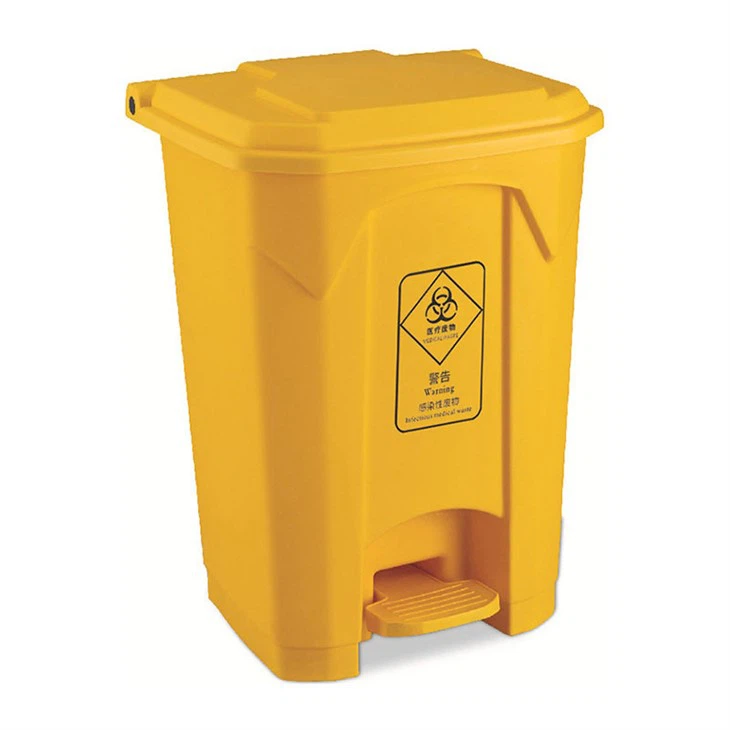
One of the primary reasons why a clinical waste bin cannot be used for radioactive waste is the difference in their physical and chemical properties. Clinical waste bins are typically made from materials like high - density polyethylene (HDPE). We offer the HDPE 13 Gallon Trash Can as one of our popular clinical waste bin options. These materials are designed to be resistant to common chemicals and biological agents found in clinical waste.
However, radioactive materials require special shielding to prevent the escape of radiation. HDPE and other materials used in clinical waste bins do not provide adequate shielding against ionizing radiation. Radiation can penetrate these materials easily, posing a significant risk to anyone in close proximity to the waste. For example, gamma rays, which are a type of high - energy radiation emitted by some radioactive isotopes, require thick layers of dense materials like lead or concrete to be effectively shielded.
Legal and Regulatory Requirements
In addition to the technical limitations, there are strict legal and regulatory requirements governing the management and disposal of both clinical and radioactive waste. These regulations are in place to protect public health and the environment.
Clinical waste is subject to regulations that focus on preventing the spread of infectious diseases. These regulations typically require the use of color - coded bins, proper labeling, and specific disposal methods, such as incineration or autoclaving.
Radioactive waste, on the other hand, is regulated by a different set of laws that are much more stringent. The disposal of radioactive waste must comply with strict safety standards to ensure that the radiation level in the environment remains within acceptable limits. In many countries, special permits are required for the handling, storage, and disposal of radioactive waste. Using a clinical waste bin for radioactive waste would be a clear violation of these regulations and could result in severe penalties.
Practical Implications
From a practical perspective, mixing radioactive waste with clinical waste can make the management of both types of waste more difficult and dangerous. If a clinical waste bin contains radioactive waste, it becomes a potential source of radiation exposure for waste handlers, transportation workers, and anyone involved in the disposal process.
Moreover, it can complicate the proper treatment and disposal of both types of waste. Clinical waste treatment facilities are not equipped to handle radioactive materials. Mixing the two can contaminate the entire batch of clinical waste, rendering it difficult to treat safely and may even require the facility to be shut down temporarily for decontamination.

The Right Bins for Radioactive Waste
If you are dealing with radioactive waste, it is essential to use specialized containers that are designed to handle the specific characteristics of this type of waste. These containers are made from materials that can provide adequate shielding against radiation. For example, thick lead - lined containers are commonly used for storing and transporting highly radioactive materials.
Some larger institutions that generate significant amounts of radioactive waste may even need to use large - scale storage facilities, like the 80K Type Large Trash Can (although it should be noted that this is a clinical waste bin and not suitable for radioactive waste on its own) that are built to meet strict safety standards for long - term storage.
Conclusion
In conclusion, it is absolutely not advisable to use a clinical waste bin for radioactive waste. The technical incompatibility, legal and regulatory requirements, and practical implications all strongly discourage this practice. As a supplier of Clinical Waste Bin, I understand the importance of providing the right solutions for waste management.
If you are in the market for high - quality clinical waste bins, I encourage you to reach out for more information. We offer a wide range of products that are designed to meet the specific needs of different healthcare facilities and organizations. Whether you need a small HDPE 13 Gallon Trash Can for a dental office or a larger 80K Type Large Trash Can for a large hospital, we have the right products for you. Contact us today to discuss your requirements and start a productive conversation about your waste management needs.
References
- Environmental Protection Agency. (n.d.). Clinical waste management guidelines.
- Nuclear Regulatory Commission. (n.d.). Regulations for the management of radioactive waste.
- World Health Organization. (n.d.). Safe management of waste from healthcare activities.