

Can I use a clinical waste bin for syringes without needles?
As a supplier of Clinical Waste Bin, I often encounter various questions from customers regarding the proper use of our products. One frequently asked question is, "Can I use a clinical waste bin for syringes without needles?" This blog post aims to provide a comprehensive and scientifically sound answer to this question.
Understanding Clinical Waste
Clinical waste, also known as biomedical waste, refers to any waste generated during healthcare activities that may pose a risk of infection, contamination, or injury. This includes items such as used syringes, needles, bandages, swabs, and other medical supplies. Proper management of clinical waste is crucial to prevent the spread of diseases and protect public health.
Syringes without Needles
Syringes without needles are generally considered less hazardous than syringes with needles. Needles can cause puncture wounds and transmit bloodborne pathogens, making them a significant source of risk in healthcare settings. However, syringes without needles can still be contaminated with bodily fluids, medications, or other potentially infectious materials.
Using a Clinical Waste Bin for Syringes without Needles
In most cases, it is appropriate to use a clinical waste bin for syringes without needles. Clinical waste bins are designed to safely contain and dispose of potentially hazardous materials, including syringes. They are typically made of durable materials and have features such as leak-proof construction and secure lids to prevent spills and contamination.
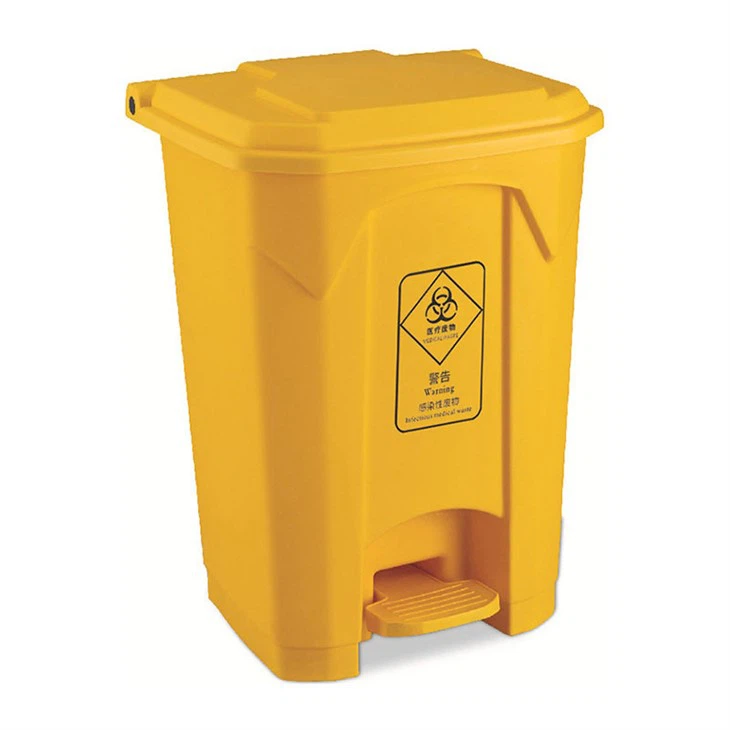

When disposing of syringes without needles in a clinical waste bin, it is important to follow these guidelines:
- Empty the Syringe: Before disposing of the syringe, make sure it is empty. Any remaining medication or fluid should be properly discarded according to local regulations.
- Cap the Syringe: If the syringe has a cap, make sure it is securely in place to prevent any leakage.
- Place the Syringe in the Bin: Carefully place the syringe in the clinical waste bin. Avoid overfilling the bin to ensure proper containment.
- Seal the Bin: Once the syringe has been disposed of, seal the clinical waste bin tightly to prevent any accidental spills or access to the contents.
Exceptions and Special Considerations
While it is generally safe to use a clinical waste bin for syringes without needles, there may be some exceptions or special considerations depending on the specific circumstances. For example:
- Local Regulations: Local regulations may vary regarding the disposal of clinical waste. It is important to check with your local health department or waste management authority to ensure compliance with all applicable laws and regulations.
- Contaminated Syringes: If the syringe is contaminated with a highly infectious or hazardous material, such as blood from a patient with a known bloodborne disease, it may require special handling and disposal procedures. In these cases, it is recommended to consult with a healthcare professional or waste management expert for guidance.
- Sharps Disposal: In some cases, it may be more appropriate to use a sharps container for syringes without needles, especially if the syringes are made of a rigid material that could cause injury if mishandled. Sharps containers are specifically designed to safely contain and dispose of sharp objects, such as needles and syringes.
Other Types of Trash Cans for Healthcare Settings
In addition to clinical waste bins, there are other types of trash cans that may be suitable for use in healthcare settings. For example:
- Pedal Black Trash Can: Pedal black trash cans are a popular choice for general waste disposal in healthcare facilities. They are easy to use and can help maintain a clean and hygienic environment.
- HDPE 13 Gallon Trash Can: HDPE 13 gallon trash cans are made of high-density polyethylene, which is a durable and lightweight material. They are suitable for a variety of waste disposal needs and are often used in conjunction with liners for easy cleaning.
Conclusion
In conclusion, it is generally safe to use a clinical waste bin for syringes without needles. Clinical waste bins are designed to safely contain and dispose of potentially hazardous materials, including syringes. However, it is important to follow the guidelines outlined above and to check with your local health department or waste management authority for specific regulations and requirements.
If you have any further questions or need assistance with choosing the right trash can for your healthcare facility, please do not hesitate to contact us. We are a leading supplier of Clinical Waste Bin and other waste management products, and we are committed to providing our customers with high-quality products and excellent customer service.
References
- World Health Organization. (2014). Safe management of wastes from health - care activities.
- Centers for Disease Control and Prevention. (2023). Guidelines for environmental infection control in health - care facilities.