

What are the cost - effective options for clinical waste bins?
When it comes to managing clinical waste, finding cost - effective options for clinical waste bins is crucial for healthcare facilities, laboratories, and other institutions that generate such waste. As a supplier of clinical waste bins, I understand the importance of providing solutions that not only meet regulatory requirements but also fit within budget constraints. In this blog, I'll explore some of the cost - effective options available in the market.
Understanding Clinical Waste
Before delving into the cost - effective bin options, it's essential to understand what clinical waste is. Clinical waste includes any waste that is likely to be contaminated with blood, body fluids, or other potentially infectious materials. This can range from used needles and syringes to soiled dressings and anatomical waste. Due to the potential health risks associated with clinical waste, proper storage and disposal are of utmost importance.
Factors Affecting the Cost of Clinical Waste Bins
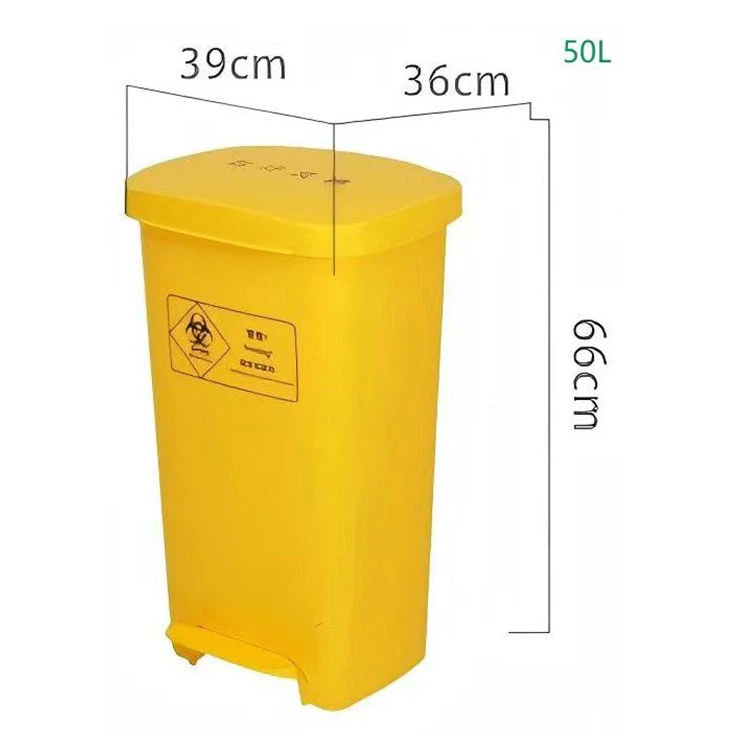
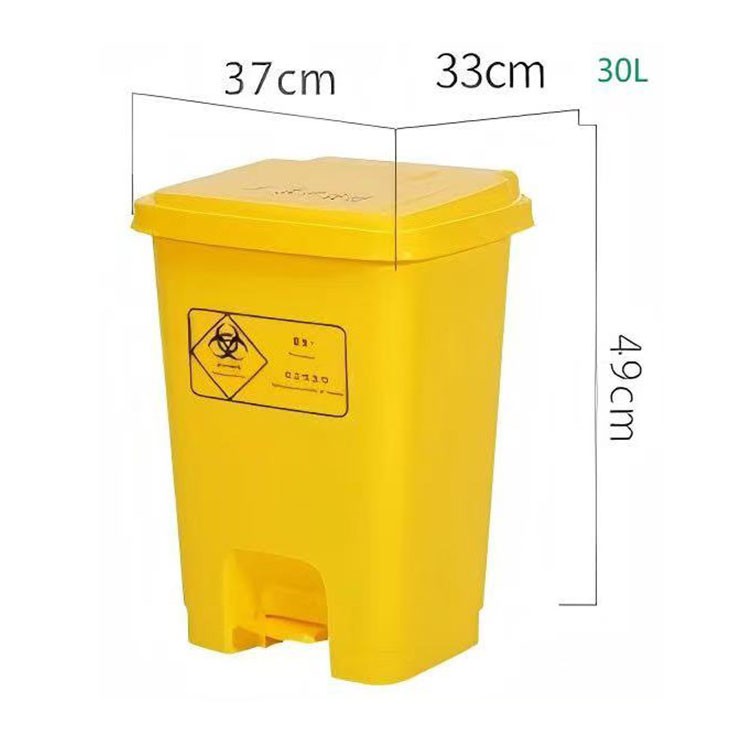
Several factors influence the cost of clinical waste bins. These include the size of the bin, the material it is made from, the features it offers, and the brand. Larger bins generally cost more than smaller ones, and bins made from high - quality, durable materials such as heavy - duty plastic or stainless steel will be pricier than those made from thinner plastics. Bins with advanced features like foot pedals for hands - free operation or locking lids for added security also tend to have a higher price tag.
Cost - Effective Options
Small - Sized Bins
For facilities with limited space or those that generate relatively small amounts of clinical waste, small - sized bins can be a cost - effective solution. These bins are typically available in sizes ranging from 5L to 20L. The 15L Trashcan is a popular choice as it offers a good balance between capacity and cost. It is suitable for use in individual patient rooms, small clinics, or laboratories where waste generation is minimal.
Another option is the 20L Garbage Container. This slightly larger bin can hold more waste, making it ideal for areas with a slightly higher volume of clinical waste. These small - sized bins are often made from lightweight yet durable plastic, which helps keep the cost down while still ensuring they can withstand the rigors of daily use.
Bulk Purchasing
One of the most effective ways to reduce the cost per unit of clinical waste bins is through bulk purchasing. When you buy a large quantity of bins at once, suppliers are often willing to offer significant discounts. This is especially beneficial for large healthcare facilities, hospitals, or groups of clinics that can use a large number of bins. By purchasing in bulk, you can not only save money but also ensure that you have an adequate supply of bins on hand at all times.
Generic or Store - Brand Bins
While brand - name clinical waste bins are often associated with high quality, there are also many generic or store - brand options available that offer comparable performance at a lower cost. These bins are typically manufactured to meet the same regulatory standards as their more expensive counterparts but may lack some of the fancy branding or additional features. However, for many facilities, the basic functionality of these generic bins is more than sufficient, and the cost savings can be substantial. For example, Cheap Trash Cans can provide a cost - effective alternative without sacrificing quality.
Reusable Bins
Reusable clinical waste bins can also be a cost - effective option in the long run. Although the initial purchase price of reusable bins may be higher than disposable ones, they can be used multiple times, reducing the need for frequent replacements. Reusable bins are usually made from high - quality materials that can be easily cleaned and disinfected between uses. This not only saves money on bin purchases but also has environmental benefits by reducing waste generation.
Quality and Compliance Considerations
While cost is an important factor, it should not be the only consideration when choosing clinical waste bins. It is crucial to ensure that the bins you select meet all relevant regulatory requirements. Clinical waste bins must be made from materials that are resistant to punctures, leaks, and corrosion to prevent the spread of infectious materials. They should also have appropriate labeling to clearly indicate the type of waste they are intended to hold.
In addition, the bins should be designed to be easy to use and maintain. Features like smooth interiors for easy cleaning and secure lids to prevent spillage are essential. When evaluating cost - effective options, make sure to balance the price with the quality and compliance of the bins.
Customization and Special Requirements
Some facilities may have specific requirements for their clinical waste bins, such as custom sizes, colors, or additional features. As a supplier, we understand that every customer's needs are unique, and we offer customization options to meet these requirements. While customization may add to the cost, it can provide a tailored solution that meets the exact needs of your facility. For example, if you need bins with a specific logo or label for identification purposes, we can accommodate those requests.
Conclusion
Finding cost - effective options for clinical waste bins is possible without compromising on quality or compliance. By considering factors such as bin size, bulk purchasing, generic brands, reusable options, and customization, healthcare facilities and other institutions can make informed decisions that fit their budget and waste management needs.
If you're interested in learning more about our clinical waste bin products or would like to discuss your specific requirements, we encourage you to reach out to us. Our team of experts is ready to assist you in finding the most cost - effective solutions for your clinical waste management needs. Let's work together to ensure that your facility has the right clinical waste bins at the right price.
References
- World Health Organization. (2014). Safe management of wastes from health - care activities.
- Centers for Disease Control and Prevention. (2020). Guidelines for environmental infection control in health - care facilities.